The 2027 Toyota Prius hybrid system automatically switches between electric motor and gas engine power using an intelligent power split device that continuously monitors driver accelerator input, battery charge state, vehicle speed, and engine temperature. Rather than relying on a fixed speed threshold, the system seamlessly blends or alternates power sources to optimize efficiency and driving power without requiring any manual driver intervention.
At the core of this engineering balance is Toyota’s fifth-generation Hybrid System, which pairs a 2.0-liter 4-cylinder engine with an electronically controlled CVT. During low-speed maneuvers, backing out of a driveway, or coasting through steady stop-and-go traffic, the electric motor handles propulsion independently. The electric motor provides instant torque and near-silent operation, creating a quiet and comfortable driving experience for daily driving. Once power demands increase or the system detects specific operational needs, an electric generator motor instantly spins up and starts the internal combustion engine in a fraction of a second.
First-time hybrid shoppers test-driving a Prius down the highway usually ask why the gas engine seamlessly engages while coasting through a parking lot before they ask about efficiency. That momentary activation is the control computer executing routine system maintenance, such as circulating oil or managing thermal conditions. Drivers navigating Mount Pleasant along the rolling back routes of Highway 43 will notice how smoothly the system transitions when climbing light grades or accelerating up to rural highway speeds.
Understanding how your hybrid balances gasoline and electricity makes every trip more enjoyable. If you want to experience how smoothly this system operates in person, you can easily find our Columbia showroom location or give our team (931) 388-3006 to schedule a test drive.
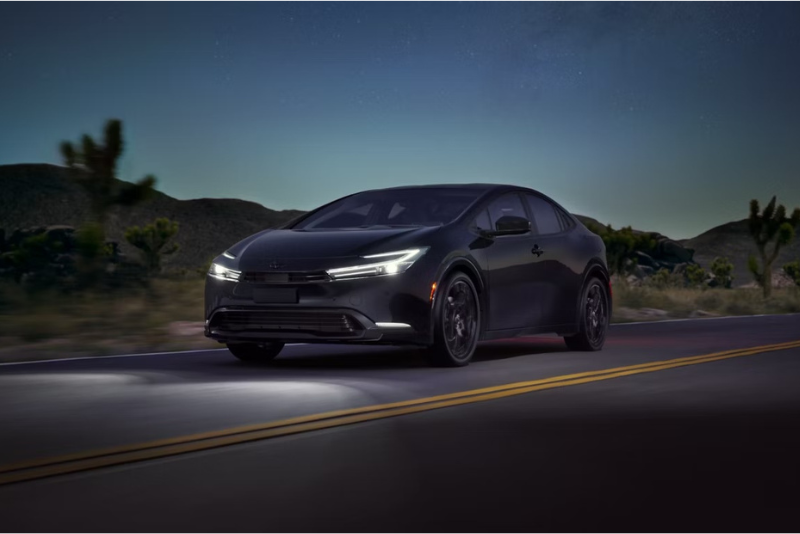
Why Does a Toyota Prius Engine Turn On When the Battery Isn't Empty?
A Toyota Prius engine turns on even when the hybrid battery displays plenty of charge primarily to warm up the catalytic converter, supply cabin heat, deliver extra torque during acceleration, or maintain safe battery operating temperatures.
Many drivers assume the gas engine only serves as a backup when the high-voltage hybrid battery runs out of energy. In reality, the hybrid system operates as a co-managed power plant where both power sources work together. Upon pressing the start button on a cold morning, the hybrid control module immediately starts the engine for an initial warm-up cycle lasting 30 to 60 seconds. This process warms up the catalytic converter to reduce exhaust emissions and ensures proper engine lubrication before heavy mechanical loads are introduced.
Power requirements also dictate engine activation. Front-wheel-drive configurations of the Prius produce 194 hp from the 2.0-liter 4-cylinder engine and electric drive motor, while all-wheel-drive models add a rear electric motor to generate 196 hp and 120 lb-ft of torque. When you step firmly on the accelerator, the system engages the gas engine to provide full system horsepower regardless of battery level. The lineup offers several distinct configurations, including the LE FWD, LE AWD, XLE FWD, XLE AWD, Nightshade FWD, Nightshade AWD, Limited FWD, and Limited AWD. Commuters in Spring Hill merging onto busy stretches of Interstate 65 benefit from this instant dual-power engagement when merging into fast-moving traffic.
If you want to explore the full lineup of trim levels and drive configurations, you can explore our new Prius inventory online to find the ideal match for your daily commute.
Engine & Performance
Powertrain specs by trim
| Feature | LE AWD | LE FWD | Limited AWD | Limited FWD | Nightshade AWD | Nightshade FWD | XLE AWD | XLE FWD |
|---|---|---|---|---|---|---|---|---|
| Engine | 2L | 2L | 2L | 2L | 2L | 2L | 2L | 2L |
| Horsepower | 196 hp | 194 hp | 196 hp | 194 hp | 196 hp | 194 hp | 196 hp | 194 hp |
| Torque | 120 lb-ft | 120 lb-ft | 120 lb-ft | 120 lb-ft | 120 lb-ft | 120 lb-ft | 120 lb-ft | 120 lb-ft |
| Transmission | CVT | CVT | CVT | CVT | CVT | CVT | CVT | CVT |
| Drivetrain | All-wheel drive | Front-wheel drive | All-wheel drive | Front-wheel drive | All-wheel drive | Front-wheel drive | All-wheel drive | Front-wheel drive |
Fuel Economy
Fuel economy and range by trim
| Feature | LE AWD | LE FWD | Limited AWD | Limited FWD | Nightshade AWD | Nightshade FWD | XLE AWD | XLE FWD |
|---|---|---|---|---|---|---|---|---|
| MPG | 53 city / 54 hwy / 54 combined | 57 city / 56 hwy / 57 combined | 49 city / 50 hwy / 49 combined | 52 city / 52 hwy / 52 combined | 49 city / 50 hwy / 49 combined | 52 city / 52 hwy / 52 combined | 49 city / 50 hwy / 49 combined | 52 city / 52 hwy / 52 combined |
How Do Acceleration, Climate Control, and Cold Weather Trigger Gas Engine Activation?
Heavy accelerator pedal pressure, cabin heat requests, and cold ambient temperatures force the Toyota Prius engine to engage to satisfy high electrical demands and supply thermal energy to the heater core.
Understanding the specific triggers that start the internal combustion engine helps drivers optimize fuel consumption and feel confident in their vehicle's normal operation:
- Throttle Demand and Acceleration: Pressing the accelerator pedal beyond a certain point signals to the hybrid computer that you need rapid velocity. The electric motor delivers initial low-end torque, but the gas engine turns on immediately to supply maximum combined horsepower for climbing steep hills or passing slower traffic.
- Cabin Heating and Defrosting: Unlike electric air conditioning compressors that run directly on battery power, the cabin heating system relies on thermal energy from engine coolant. Selecting a warm climate control setting or pressing the front windshield defroster forces the engine to run until the heater core reaches proper operating temperature.
- Cold Weather and Battery Protection: Cold ambient weather reduces chemical activity inside the high-voltage battery. To protect battery cell longevity and maintain necessary electrical reserves, the system runs the gas engine more frequently during cool weather starts.
Even with routine engine activation, passengers inside the Prius enjoy a quiet, spacious cabin equipped with available supple leather seating. For shoppers considering an economical secondary vehicle or a reliable commuter, you can also browse our selection of pre-owned models to inspect high-efficiency choices across multiple model years.
Can You Force the Toyota Prius to Drive Only in EV Mode and How Much Battery Does It Use?
Drivers can manually engage EV Mode using the center console button to force short-distance electric driving at low speeds, but the hybrid system automatically manages the high-voltage battery within a protected operating window to maximize battery life.
Pressing the EV Mode button forces the Prius to rely strictly on its electric traction motor, suppressing gas engine activation for up to half a mile at speeds under 25 mph. This feature is ideal for quiet maneuvers, such as moving the car in a driveway or gliding through a parking garage late at night. However, EV Mode requires sufficient battery charge and a fully warmed engine. Accelerating hard, exceeding low city speeds, or requesting heavy windshield defrosting will automatically cancel EV Mode and start the engine.
In normal hybrid operation, the computer never allows the high-voltage battery to drain to zero percent, nor does it charge it to absolute capacity. Instead, the battery operates within a narrow state-of-charge band—typically between 40% and 80% capacity—to prevent thermal degradation and extend component life.
This efficient battery management yields exceptional real-world fuel economy across the entire model range. The LE FWD trim achieves an EPA-estimated 57 city / 56 hwy / 57 combined, while the LE AWD variant delivers 53 city / 54 hwy / 54 combined. Grade choices such as the XLE, Nightshade, and Limited offer 52 city / 52 hwy / 52 combined in front-wheel drive and 49 city / 50 hwy / 49 combined in all-wheel drive.
Drivers seeking documented quality and manufacturer-backed coverage can view certified pre-owned Toyota inventory to find models that have passed rigorous factory inspections.
What Are the Key Differences Between a Traditional Hybrid and a Plug-In Hybrid?
A traditional hybrid recharges its compact battery exclusively through engine operation and regenerative braking, whereas a plug-in hybrid features a larger battery that can be plugged into an electrical outlet to provide extended electric-only driving range before switching to hybrid operation.
Understanding these two hybrid architectures helps buyers choose the right vehicle for their driving habits and lifestyle:
- Traditional Hybrid (Prius): Combines a 2.0-liter 4-cylinder engine with a compact self-charging battery. It requires no wall charging, functioning seamlessly by recapturing energy during braking and coasting.
- Plug-In Hybrid (Prius Prime): Equips a larger 13.6-kWh lithium-ion battery that charges via standard 120V household outlets or 240V Level 2 chargers. It offers up to 44 miles of pure electric driving range on the SE trim (and up to 39 miles on XSE, Nightshade, and XSE Premium trims) before operating as a standard hybrid.
- Performance Output: The standard Prius generates up to 196 hp, while the Prius Plug-in Hybrid produces 220 hp and achieves a 0-60 mph sprint in 6.6 seconds.
- Warranty Coverage: Every hybrid model comes with strong factory protection, including an 8-year/100,000-mile hybrid system warranty and a 10-year/150,000-mile hybrid battery warranty.
Both vehicles transform everyday commutes into a quiet and comfortable driving experience, pairing advanced efficiency with premium cabin comfort. If you are thinking about upgrading your current vehicle to a high-efficiency hybrid, you can value your trade-in online to see what your current car is worth toward a purchase.
How Do You Know If Prius Engine Starts Are Normal Behavior or a Problem?
Most Toyota Prius owners notice engine starts during acceleration, climate control changes, or warm-up, which are typical behaviors; however, unusual noises or warning lights suggest a problem.
Because the hybrid control unit constantly adjusts power flow to maximize efficiency, seeing or hearing the engine turn on while stopped at a traffic light is standard system behavior. The computer may be charging the battery, running the air conditioning, or adjusting engine temperatures. However, knowing what is normal versus what requires professional evaluation ensures long-term driving confidence:
- Normal Engine Activity: Smooth startup transitions without power hesitation, brief engine runs when activating heat or defrost, and automatic engine shutoff when coming to a complete stop.
- Signs of Potential Issues: Severe cabin shuddering or clunking when the gas engine engages, illuminated master warning icons or check engine lights, noticeable loss of acceleration, or the gas engine running continuously at high RPM without charging the battery.
Buying a modern hybrid delivers outstanding peace of mind. Every new Prius comes equipped with Toyota Safety Sense 3.0, a suite of active safety technologies designed to protect passengers on every journey. This safety engineering is reflected in top industry safety evaluations, including an IIHS Top Safety Pick+ rating and a 5-star overall NHTSA rating.
When you are ready to take the next step toward owning an efficient hybrid sedan, our finance specialists are here to help. You can submit a secure credit application online to explore personalized financing options tailored to your monthly budget.
Common Questions About Toyota Prius Power Switching and Battery Operation
Q: Does selecting ECO mode prevent the gas engine from starting?
Selecting ECO mode modifies pedal sensitivity and climate control performance to encourage electric driving, but it does not completely prevent the gas engine from turning on. If you press the accelerator pedal firmly or request windshield defrosting, the control computer will still start the internal combustion engine to satisfy power or heating needs.
Q: Does a standard Toyota Prius require charging at home?
No, the standard Toyota Prius hybrid never needs to be plugged into an electrical outlet. The hybrid system automatically recharges its internal high-voltage battery while you drive by converting kinetic energy during deceleration through regenerative braking and utilizing surplus engine power.
Q: How long does pre-qualifying for financing take at Roberts Toyota?
Prequalifying online through our secure finance portal takes only a few minutes to complete. Submitting your details ahead of time allows our finance specialists to review available rates and outline customized financing structures before you visit our dealership.
Q: Will turning off the heater keep the engine off on chilly mornings?
Turning off cabin heat reduces thermal demand on the engine core, allowing the vehicle to remain in electric mode longer during low-speed driving. However, if the ambient temperature is extremely low or the catalytic converter requires heating for emissions management, the computer will still turn the gas engine on automatically.
Q: Does the Toyota hybrid battery warranty transfer if I buy a pre-owned Prius?
Yes, Toyota's 10-year/150,000-mile hybrid battery warranty fully transfers to subsequent owners. This factory coverage offers exceptional ownership confidence and value protection when shopping for pre-owned hybrid models.
Vehicle information, pricing, features, specifications, fuel economy, safety ratings, availability, and comparisons are provided for informational purposes only and may vary by model year, trim level, package, drivetrain, and manufacturer updates. MSRP excludes taxes, title, license, registration, dealer fees, destination charges, and optional equipment unless otherwise stated. Fuel economy estimates are based on EPA ratings where available, and actual mileage will vary. Feature availability and safety technologies may differ by trim and configuration.